Cursor down
Move your cursor to the far corner of the screen and stop touching the keyboard for forty seconds. Small interruption, zero ceremony.

Library
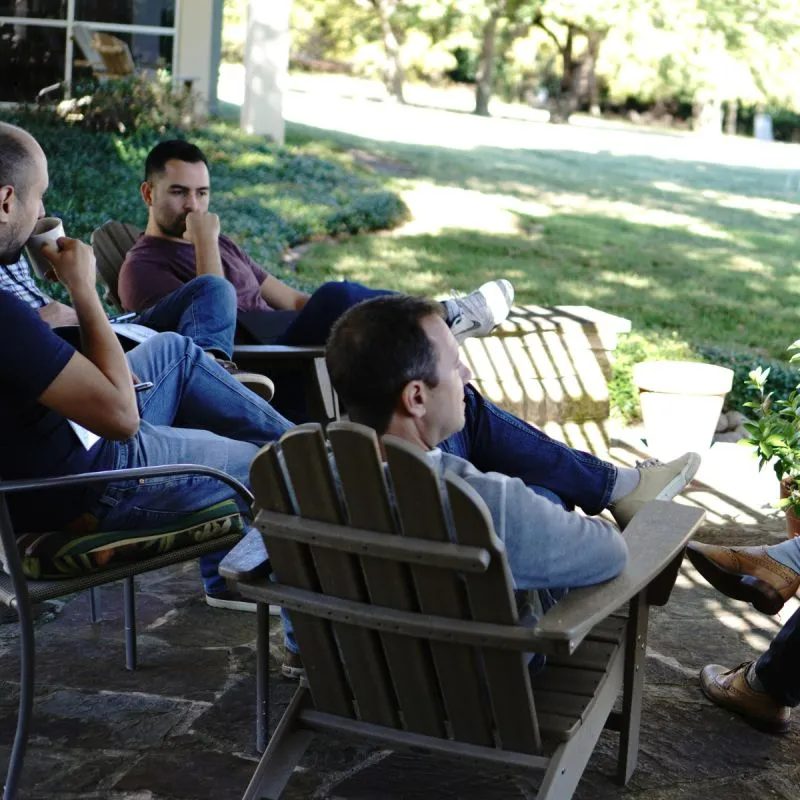
The library mixes instructions, observations, and simple prompts. Some are movement-based, some are quiet, and some are just reminders that stepping back for a minute is allowed.
Move your cursor to the far corner of the screen and stop touching the keyboard for forty seconds. Small interruption, zero ceremony.
Lean back, drop your shoulders, and notice three sounds that are not coming from your own device.
Take ten slow counts in a doorway or open hallway. The goal is not intensity. It is transition.
Look toward a distant object and let the eye muscles do less work for a minute. Then resume with one clearly named task.
Walk to another room, refill water, and come back without opening any extra tabs or apps on the way.
Write: “What is loud right now?” and “What can wait ten minutes?” Sometimes that is enough.
Choose based on your setting, not on what sounds the most impressive. A good pause usually fits the moment you are already in.
These entries are general-use suggestions for routine daily resets. They are not treatment plans, crisis tools, or individualized care.
Not every pause works every day. The library is best used like a menu, not a rulebook. Browse lightly, choose one idea, and move on if it feels awkward or unhelpful.
Try short visual breaks, posture resets, or one written transition line before opening a new task.
Short walks, parking lot resets, or a quiet minute before going inside can work better than trying to power through.
Late-day pauses are usually more useful when they feel lighter, slower, and easier to repeat.
Library FAQ
No. They are general-use suggestions for ordinary daily resets.
No. The library is intentionally non-sequential.
Because a pause that takes too much effort to begin often stops feeling like a pause.